House of Culture "GES-2", Moscow
2025
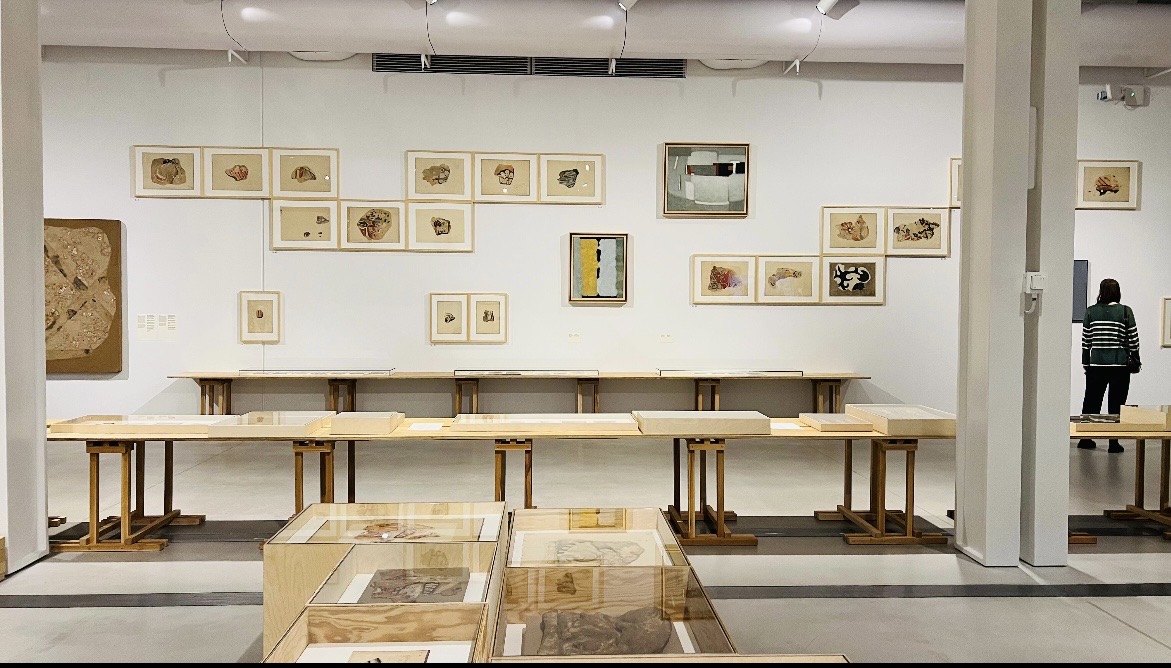
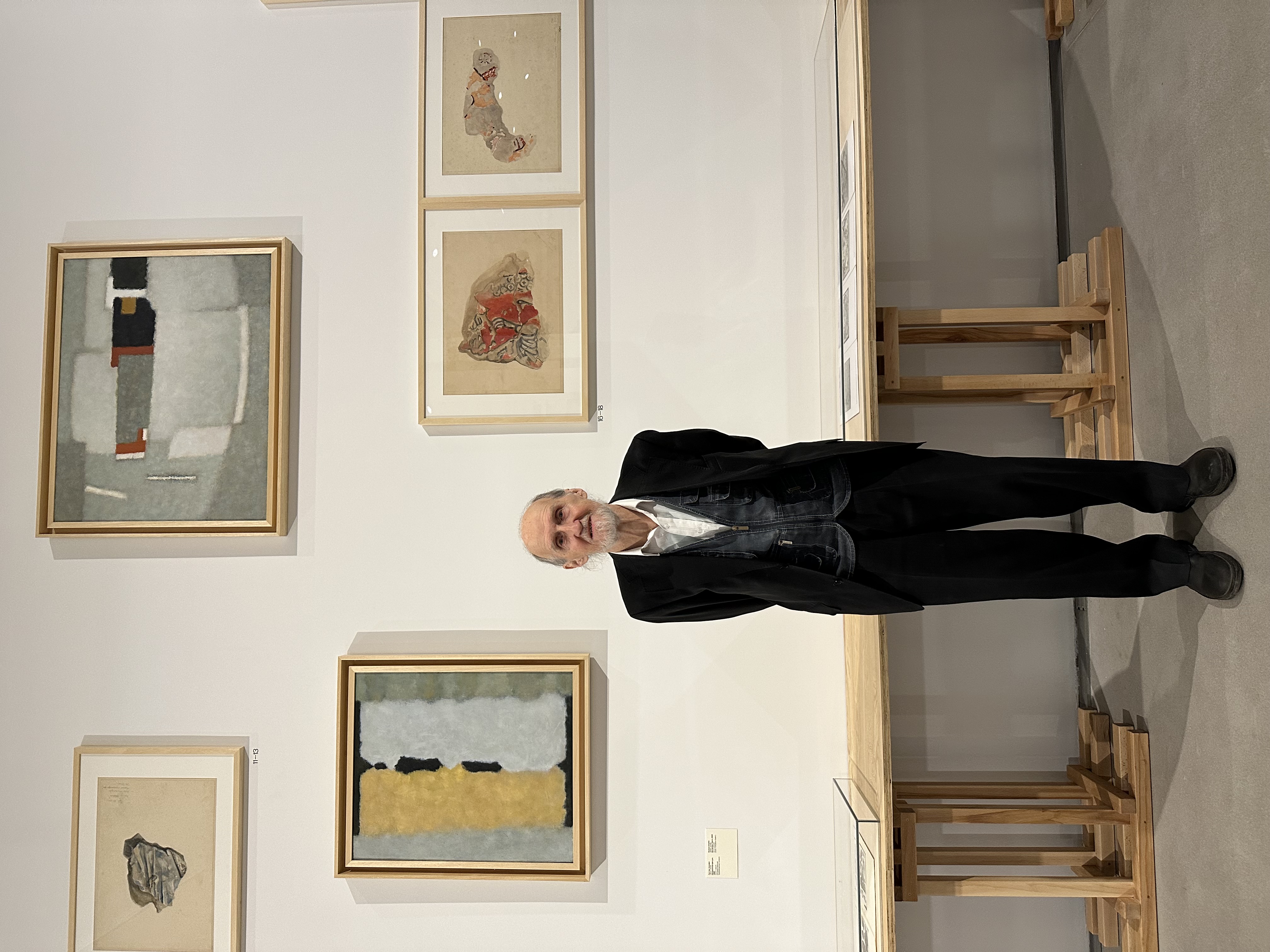
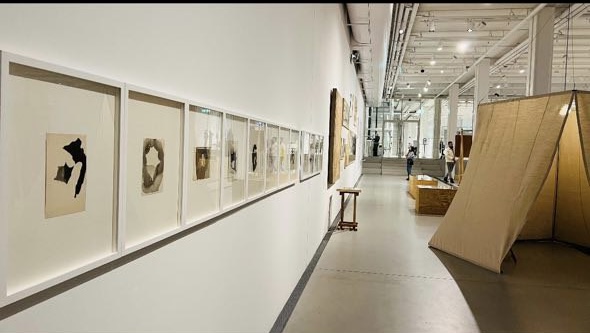
At first glance, it may seem that the exhibition is dedicated to a single large Soviet scientific project: the Khorezm Archaeological and Ethnographic Expedition (1937–1991), its history, heroes, and results. However, this is not entirely accurate. First and foremost, the project is the result of reflections on modernism and its often subtle yet profound connections with the practices of archaeology. Modernism, as a general cultural trend of the 20th century, envisioned a new and better stage of societal development. In the Soviet version, modernism emphasized overcoming the past, often becoming its mirror image. Tomorrow could only be bright if it was shaded by the history of the past centuries.This special relationship between the future and the past became one of the sources of constant tension in Soviet culture. On the one hand, it gave rise to unprecedented projects for transforming nature and life: transcontinental transportation routes, the construction of canals and power plants, the building of new cities, and the relocation of thousands of people. Numerous expeditions, such as exploration, geological, and archaeological expeditions, became the frontline and emblem of these efforts. On the other hand, this activity provided numerous opportunities for evasion and escapism, allowing individuals to remain true to themselves in areas where ideological control was not as pervasive. Archaeological expeditions in Central Asia are among the most striking examples of this paradox. In this context, the exhibition featured the works of artist Rustam Khalfin.
Link: https://youtu.be/avlOLsSd5uw